FlexGuard Official Website › Blog › Do Joint Supplements Work? 6 Checks
Do Joint Supplements Work? 6 Checks Before You Buy One
The honest answer is: some, a little, slowly, and not for everyone. Six ingredients carry most of the shelf, and the trials on them are divided. They used large amounts and read results after weeks, not days. Use the six checks below before you buy any joint supplement, FlexGuard included.
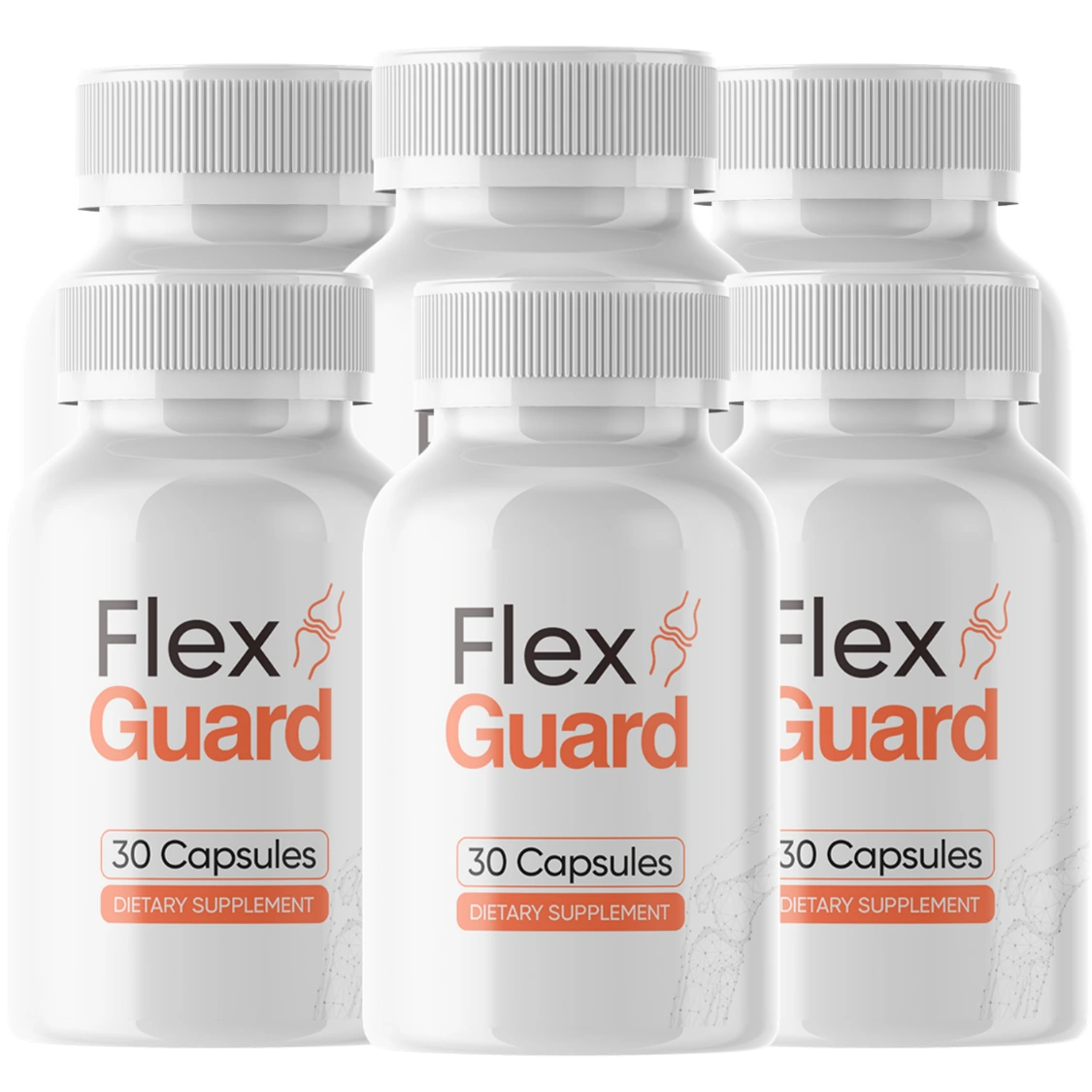
Looking at one real label?
FlexGuard is an example of a broad joint capsule with every amount printed. The seller's checkout shows the live price and the written guarantee.
See today’s price and guaranteeThis site is a retailer, so it is paid on orders made through it. The checkout shows the live price, and the guarantee page sets out the 60-day terms.
- Six ingredients carry almost the whole category: glucosamine, chondroitin, Boswellia, curcumin from turmeric, MSM and collagen peptides.
- Nothing in the category acts in a week. The shortest useful studies ran four weeks, and some ran two or three years.
- Exercise, weight management and self-management have the strongest evidence in the field. A bottle is an addition to them.
- FlexGuard prints eight amounts, and six of them sit below the amount their own research used.
- FlexGuard contains shellfish (crayfish), and it is for adults 18 and over. It is not FDA approved, because no supplement is.
- Not published: any result of our own, and any ranking of the best joint supplement. We do not rank products.
Do joint supplements work? The one-minute answer
Start with what the evidence is like, then look at what you can do with it. The honest picture is mixed. Some trials found a small gain. Others found none. The reviews that pool many trials tend to find a smaller effect as the trials get better.
That is why the category draws both fierce fans and flat dismissals. Both camps can point to a real study. A fair reader keeps both facts in mind and asks a narrower question: for which ingredient, at what amount, over how long?
The NIH centre's own summary, as the site quotes it, is the fairest short read. Some people report relief, the trial evidence is mixed, and it is not harmful for most people to try. That sentence is worth remembering when a page promises more.
The six checks below turn that sentence into a routine. You can use them on any bottle on any shelf.
People ask the question in many ways: do joint supplements work, do joint supplements really help, do any joint supplements really work, does joint supplements work, does joint supplements help, are joint supplements any good, are joint supplements worth it, are joint supplements effective, are joint supplements good, is joint supplements good, are joint supplements legit, are joint supplements a scam, are joint supplements safe and should i take joint supplements. Others ask for a kind: joint supplements that work, joint supplements for humans, joint supplement for humans, joint supplement for adults, joint supplements for men, joint supplements for women and joint supplements for people. Scam and legit ask about the seller. Work and worth it ask about the evidence. The six checks cover both.
Check 1: Which of the six ingredients is in the bottle?
Most joint products are built from the same few parts. Six have a human trial record. Look at what the trials used before you look at the front of the pack.
| Ingredient | What the trials used | What they found |
|---|---|---|
| Glucosamine sulfate | 1,500 mg a day, often split in three | Divided. A three-year trial reported less joint space narrowing. The large American trial found no benefit over placebo on its main outcome. |
| Chondroitin sulfate | 800-1,200 mg a day | A small improvement in pain across 43 trials, shrinking as trial quality rose. |
| Boswellia serrata | 100-250 mg a day, standardised to 30% AKBA | Ranked first for pain and stiffness in a 2025 network analysis of 39 trials. |
| Curcumin from turmeric | 1,500-2,000 mg a day of extract | Consistent improvement in pain scores across eleven meta-analyses. Absorption is the limiting factor. |
| MSM | 1.5-6 g a day | Promising and thin, in the reviewers' own words. |
| Bromelain | 200-1,890 mg a day | Mixed. Better at 400 mg than 200 mg in an open study, and no better than placebo at 800 mg in a controlled one. |
Every figure in the middle column is the amount given in published work. It is not a recommendation.
If a label names none of these, ask what the evidence is for what it does name. Anything else on the shelf is one of the six under another name, or a compound with no trial record at all.
Check 2: Does the amount on the label match the amount in the trial?
This is the check most people skip, and it decides the most. An ingredient name without an amount is the least useful thing a label can give you. The trial amounts are large, mostly in the hundreds or thousands of milligrams.
FlexGuard is a useful example because it prints all eight amounts and the site sets them beside the trial figures. Take three rows.
| Row | On the FlexGuard carton | In the published trials |
|---|---|---|
| Glucosamine sulfate | 500 mg once a day | 1,500 mg a day. In the large trials it was 500 mg taken three times a day. |
| Chondroitin sulfate | 50 mg | 800-1,200 mg a day. The carton holds about a sixteenth of the lower figure. |
| MSM | 8 mg | 1.5-6 g a day |
The site's own summary is that six of the eight rows sit below the amount their own research used. Boswellia cannot be compared at all, because the row gives a herb weight and the trials used extracts standardised to a stated percentage of AKBA.
A low amount is not proof that a product fails. It means the trial result does not transfer to it. You are buying a different exposure from the one that was studied, and a fair page tells you so.
Check 3: How long will you give it?
Joints are slow. The site's planning table shows the shortest useful study for each ingredient and a reasonable point to judge. It also says the right-hand column is a planning figure, not a promise.
| Ingredient | Shortest useful study | Reasonable point to judge |
|---|---|---|
| Boswellia | Four weeks | Six to eight weeks |
| Curcumin | Four weeks | Six to eight weeks |
| MSM | Twelve weeks | Twelve weeks |
| Glucosamine | Six months in the long trials | Three months |
| Chondroitin | Six months | Three months |
| Bromelain | One month | Six weeks |
The practical lesson is about pack size. A bottle that runs out before the earliest sensible check has not been tested. It has been sampled. FlexGuard's 30-capsule bottle lasts 30 days at one capsule a day, and the smallest pack is two bottles.
Buyers at that desk most often report 3-6 weeks, and the published trials read at 8-12. Week one is not a test.
Check 4: Are you doing the things that beat every supplement?
The rheumatology guideline recommends exercise, weight management and self-management most strongly. The OARSI guideline agrees on the order. A supplement is the last item on that list.
- Exercise. Strengthening and range-of-movement work has the strongest evidence in the whole field.
- Weight management, where it applies. Load on a knee is not a metaphor.
- Self-management. Knowing what a joint responds to is a recommended step in its own right.
- One proper diagnosis. Several conditions cause joint pain, and they are managed differently.
These are free, and they do not clash with a capsule. If you do plan to start a new exercise plan or a new diet, the site suggests doing that first and adding a supplement a month later. Two changes in one fortnight leave you unable to tell which one did anything.
Check 5: Is it right for men, for women and for adults of any age?
The FlexGuard label does not split by sex. It sets out who should leave it alone, and that list is the same for everyone.
- Anyone with a shellfish allergy. The carton declares CONTAINS: SHELLFISH (CRAYFISH), since glucosamine comes from shellfish shell.
- Anyone under 18. The carton excludes them.
- Anyone pregnant or nursing. The carton excludes them too.
- Anyone whose joint is hot, swollen, locking, giving way, or painful enough to wake them. That points to something that needs a diagnosis.
For adults who take medicines, there are two conversations worth having. Glucosamine has a documented case record of raising INR alongside warfarin, and turmeric has its own antiplatelet signal. Turmeric also has a published liver-injury case series, almost all of it at far higher amounts than the 50 mg in the capsule.
The National Institute on Aging and NCCIH both publish plain guidance on using supplements wisely. Tell every clinician you see about everything you take. That one habit does more for safety than any label.
Check 6: What should you check before you pay?
A short list covers most of the regret people report later.
- Read the Supplement Facts panel. Look for a printed weight on every row, and for a proprietary blend that hides them. FlexGuard has none.
- Compare each weight with the trial figure, as in check 2.
- Read the allergen line and the maker's warnings.
- Look at the price per day, not per bottle. FlexGuard's packs work out at $2.63, $2.30 and $1.63 a day at one capsule daily.
- Read the refund terms before you pay. FlexGuard words its 60-day window two ways, from purchase and from shipping, and the site shows both. Work to the earlier one.
- Note who is selling. This site is a retailer and is paid on orders made through it.
Where the price is concerned, the live checkout total wins over any page. The prices on these pages were read on 19 September 2026.
What are joint supplements, and what do they do?
Searches run from what are joint supplements and what is joint supplement to what do joint supplements do and how do joint supplements work. The plain answer is that a joint supplement is a food supplement sold for joint comfort. Half of the shelf supplies raw materials the body uses in cartilage. The other half holds plant compounds studied for their effect on inflammatory signalling. A broad capsule such as FlexGuard usually takes something from each side.
A bone and joint supplement sometimes adds other nutrients. FlexGuard lists no vitamins and no minerals on its panel. Cartilage supplements are a related search: do cartilage supplements work, best cartilage supplement, knee cartilage supplement and dose cartilage supplement. The category evidence covers glucosamine and chondroitin, which are cartilage building blocks. Bovine cartilage supplement, chicken cartilage supplement and shark cartilage supplement searches describe animal cartilage products. FlexGuard lists none of them, and the source of its chondroitin is not published.
A last note on people and pets. FlexGuard is labelled for adults 18 and over. Nothing is published about any use in dogs, cats or horses, so those searches are outside this page.
Which joint supplement is the best, and is there a number one?
This is the most common search in the category. It comes as best joint supplement 2026, best joint supplement reviews, best joint supplement reddit, what is best joint supplement, what is good joint supplement, who makes the best joint supplement, five best joint supplements, top five joint supplements and number 1 joint supplement. People who want pain-led wording type joint pain relief supplement, joint pain relief supplements or what is the best joint pain relief supplement. Others narrow it to the best supplement for knee pain, a supplement for knee pain or joint supplements for knees. Shop-led versions, such as best joint supplement amazon, best joint supplement costco and best joint supplement walmart, get the same answer, because the shop does not change the label.
Not published. We do not rank products, and the site prints no ranking of its own capsule against others. A page that crowns a number one joint supplement without showing the amounts is selling a name. The better question is which label prints every amount, sets it beside the trial amount and states its allergen. Use the checks above on any bottle.
The same goes for the question people ask when comparing FlexGuard vs other products, or whether it is better than other joint capsules on the shelf. The site makes no head-to-head claim, and neither do we. Put two Supplement Facts panels side by side, and compare the weights with the trial figures.
Where can you buy a joint supplement, and which forms exist?
People search buy joint supplement, joint supplements buy and buy joint supplements online. Others add a shop: joint supplement amazon, joint supplement walmart, joint supplement costco, joint supplements costco, joint supplements walmart and knee joint supplement costco. The shop matters less than the label. The FlexGuard site says the 60-day window and the lot code printed on its pages apply to orders placed through the official website. A joint supplement brands list, or a joint supplements brands comparison, is a list of names. It tells you little without the amounts.
Form is the other choice. FlexGuard is a hard capsule, so joint supplement capsules is the right search for it. Joint supplement pills and joint supplement tablet are looser names for the same idea, and the site says it is not a tablet. A gummy joint supplement, joint supplement gummies and best joint supplement gummies are different products. The site says FlexGuard is not a gummy. An all natural joint supplement is a claim, not a standard. FlexGuard is a dietary supplement, and its panel lists eight named actives, with hypromellose and rice flour as the other ingredients.
This page is general information, not medical advice. FlexGuard is a dietary supplement, not a medicine, and no supplement is FDA approved. These statements have not been evaluated by the Food and Drug Administration, and the product is not intended to diagnose, treat, cure or prevent any disease. If you take a medicine, have a medical condition or are unsure about the shellfish line, talk to your doctor before the first capsule.
Frequently asked questions
Do joint supplements work?
The evidence is mixed. Some trials found a small gain and others found none, and pooled reviews find smaller effects as trials improve. Results vary, and nothing in the category acts in a week.
Are joint supplements safe?
For most people trying them is not harmful, according to the NIH centre's summary. Shellfish allergy, pregnancy, nursing, age under 18 and blood-thinning medicines are the main cautions for FlexGuard. Ask your own doctor.
How long do joint supplements take to work?
The shortest useful studies ran four weeks and the long ones ran two to three years. Buyers at the FlexGuard desk most often report 3-6 weeks, and the published trials read at 8-12 weeks.
Is FlexGuard a good joint supplement?
It prints every amount, which helps you judge it. Six of its eight rows sit below the amount their own research used. It is not FDA approved, and it contains shellfish. We do not rank products.
What is the best joint supplement?
Not published. We do not rank products. Compare the label amounts with the trial amounts, check the allergen line and ask your doctor.
Should I take a joint supplement or see a doctor?
A hot, swollen, locking or night-waking joint needs an assessment first. For ordinary stiffness, exercise, weight management and self-management come before any bottle.
Sources named on this site
- The GAIT trial: https://pubmed.ncbi.nlm.nih.gov/16495392/
- The three-year glucosamine sulphate trial: https://pubmed.ncbi.nlm.nih.gov/11214126/
- The Cochrane review of chondroitin: https://pubmed.ncbi.nlm.nih.gov/25629804/
- The 2025 network meta-analysis of joint supplements: https://pubmed.ncbi.nlm.nih.gov/40806131/
- The 2024 umbrella review of eleven curcumin meta-analyses: https://pubmed.ncbi.nlm.nih.gov/38576215/
- The 2017 review of methylsulfonylmethane: https://pubmed.ncbi.nlm.nih.gov/28300758/
- The dose-ranging bromelain study: https://pubmed.ncbi.nlm.nih.gov/12587686/
- The American College of Rheumatology's osteoarthritis guideline: https://pubmed.ncbi.nlm.nih.gov/31908163/
- The OARSI treatment guideline: https://pubmed.ncbi.nlm.nih.gov/31278997/
- NCCIH on glucosamine and chondroitin: https://www.nccih.nih.gov/health/glucosamine-and-chondroitin-for-osteoarthritis
- NCCIH's guidance on using supplements wisely: https://www.nccih.nih.gov/health/using-dietary-supplements-wisely
- The National Institute on Aging: https://www.nia.nih.gov/health/vitamins-and-supplements/dietary-supplements-older-adults
Our view
Do joint supplements work? We would say: a few might, a little, for some people, and slowly. That is not a headline, but it is what the trials support. A fair page gives you the amounts and the clock, and does not promise a result.
We would not tell anyone to skip them, and we would not tell anyone to rely on them. Put the basics first. Then, if you want to try a capsule, read the label as we did here. Look for printed amounts, a trial figure next to each one, an allergen line, and written refund terms.
If you decide on FlexGuard, treat it as a modest daily habit. Write down the purchase date, judge it at about eight weeks, and ask your doctor first if you take a blood thinner or have a medical condition.
Last updated
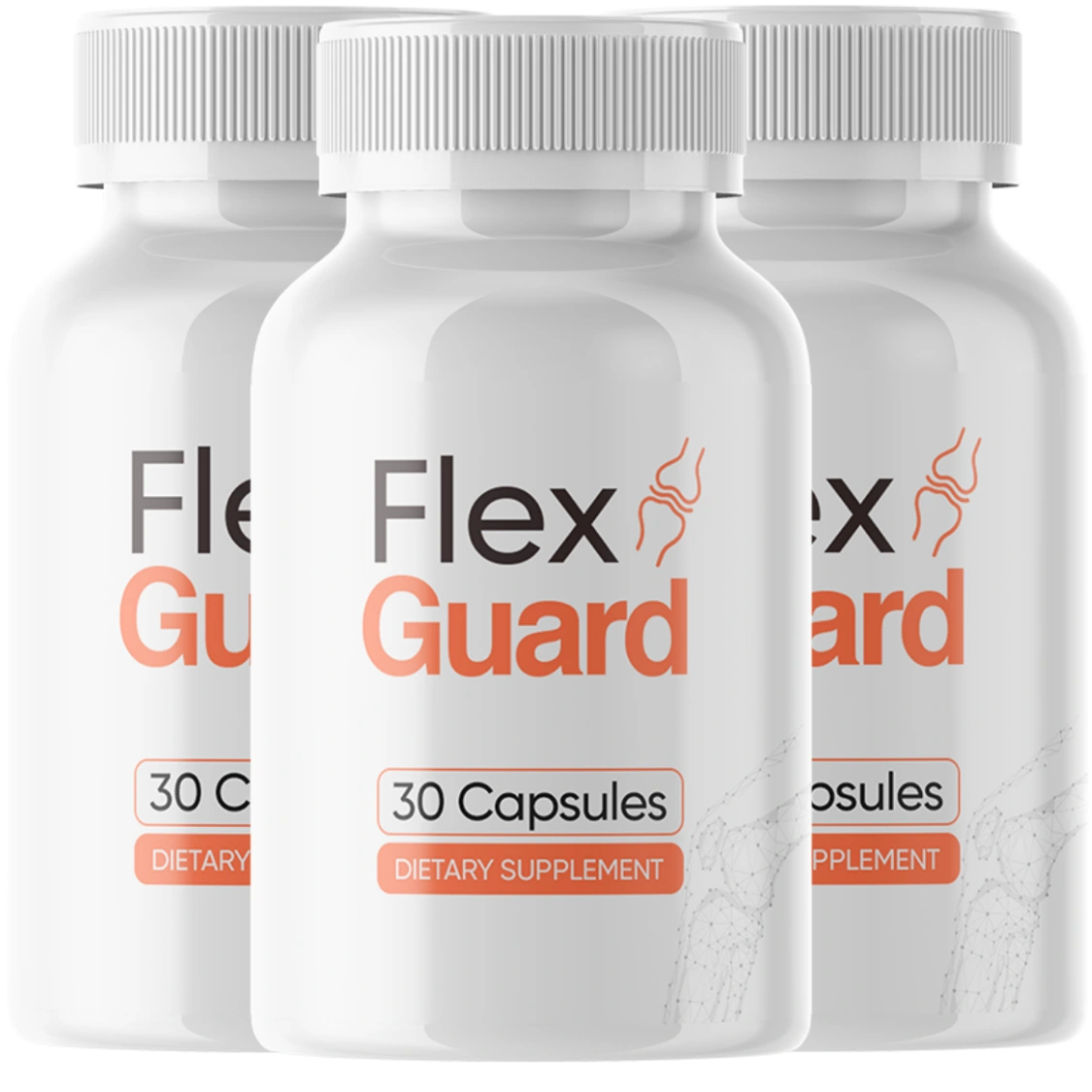
Done with the checks?
If you decide to try FlexGuard, write the purchase date down and judge it on a calendar. The checkout shows today's price for each pack.
See today’s price and guaranteeThis site is a retailer, so it is paid on orders made through it. The checkout shows the live price, and the guarantee page sets out the 60-day terms.