FlexGuard Official Website › Blog › How Long Does FlexGuard Take To Work? 8-Week Checklist
How Long Does FlexGuard Take To Work? An 8-Week Checklist
Buyers at this desk most often say 3 to 6 weeks before they notice anything. The published trials behind the ingredients read their results at 8 to 12 weeks. Week one is not a test. Use the eight-week checklist below and decide before your 60-day money-back window closes.
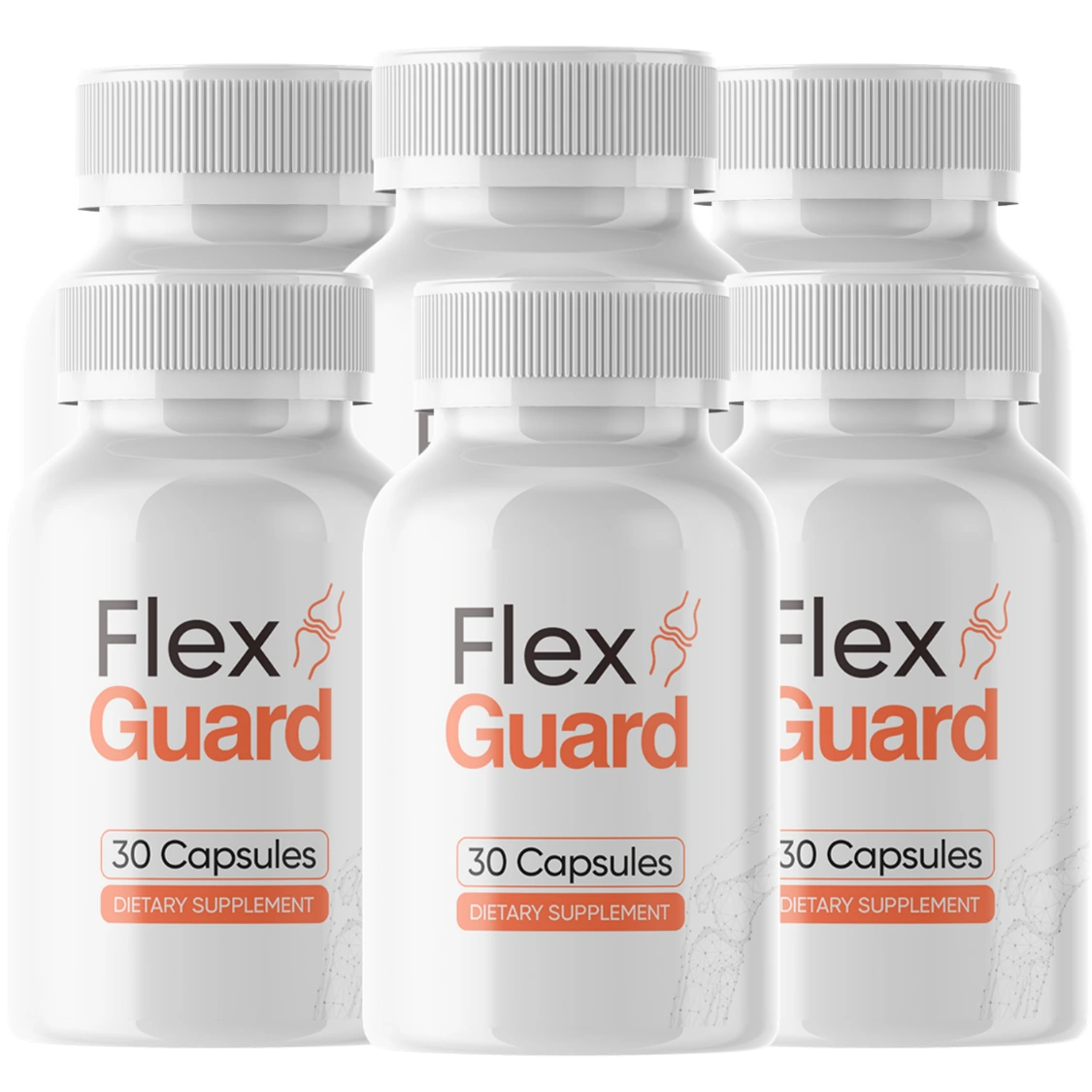
Planning an eight-week test?
A bigger pack covers more of the test. The live prices and the guarantee wording are on the seller's checkout.
See today’s price and guaranteeThis site is a retailer, so it is paid on orders made through it. Prices on our pages were read on September 19, 2026, and the checkout is the current figure.
- Buyers at this desk most often report 3–6 weeks.
- Published trials read their results at 8–12 weeks. The chondroitin trial ran two years and the glucosamine sulphate trial three.
- Processing takes 1–2 business days. The transit time is not published.
- The guarantee window is 60 days, and it is counted from purchase, so shipping time comes out of it.
- Nothing on the panel has been shown to act in days. It is not an analgesic.
- No before-and-after photos are published, and none are used here.
How long does FlexGuard take to work?
The short answer is weeks, not days. Four different clocks tick at once, and mixing them up is how people feel let down.
| Clock | How long | Who owns the figure |
|---|---|---|
| Processing | 1–2 business days | The seller's order pages |
| Transit | Not published | Nobody |
| Buyer reports | 3–6 weeks | The desk's summary of buyer notes |
| Trial readout | 8–12 weeks | The published research |
| Money-back window | 60 days from purchase | The supplier paperwork |
The seller's own page counts the 60 days from the shipping date instead. The guarantee page prints both.
Read the table from top to bottom and you can see the problem. The window starts when you pay. The first capsule comes later, after processing and a carrier trip nobody has timed.
So the real time you have is shorter than 60 days. The checklist below assumes you start on day one of the first capsule and still leave room to act.
People ask this as how long does flexguard take to work or how long does it take flex guard to work, and some ask for flexguard results by week. The checklist below answers with dates you set yourself, because the only honest timeline is your own.
Before week one: what happens between paying and the first capsule?
Do these three things while you wait for the parcel.
- Write the purchase date from your order email on a note. This is the date the 60 days count from.
- Choose one movement to score, such as the stairs you climb every day.
- Read the allergen line and the caution on the carton when it arrives. It reads CONTAINS: SHELLFISH (CRAYFISH).
When the parcel arrives, check the seal and the lot code before you open anything. The seal warning says not to use the product if the safety seal is damaged or missing. The lot for this batch is FLE-26/GO-6202.
Then score your movement out of ten. Do it before the first capsule, not after. A baseline taken later already has the product in it.
Weeks 1 and 2: should you expect anything?
No. Buyers in almost every report say nothing happened in the first two weeks, and the research agrees. No row on this panel has been shown to work within a few days.
Your job here is a habit, not a verdict. Take one capsule a day at an hour you keep. Tie it to something you already do, like breakfast.
If your stomach objects, the site suggests taking it in the middle of a meal. Mild nausea, wind and heartburn are the usual complaints for this category. If it still bothers you after a week of that, call the order desk before you quit.
The roster of published reviews has a line that fits this stage well: “Wait past week two.” We cannot check who wrote it, but the advice is sound.
Weeks 3 and 4: what should you do?
This is the front edge of the band that buyers name. Some may start to notice something here. Many will not.
Keep the same hour. Keep the same habits. Do not add a new exercise plan or a new diet this fortnight, or you will not know which change did what.
At day 28, score your chosen movement again. Same stairs, same time of day. Write the number next to the first one.
If the number is the same, that is useful, not a failure. The trials read their results later than this.
Weeks 5 and 6: is this when buyers notice something?
This is the band most buyers at this desk name when they say they noticed something. It is not a promise. Individual results vary, and the figures are a summary of what people write.
Keep a short note of anything specific. “The first ten minutes after getting up feel easier” is useful. “I feel better” is not.
Also note what else changed. A cold snap, a long drive, a week of poor sleep, more steps than usual: these act on the same joints. Writing them down stops a product getting credit or blame that belongs to something else.
Weeks 7 and 8: what is the honest decision point?
At day 56, score the movement a third time. This is where the published research would first have read a result, and it is your decision point.
Compare the three numbers. If they moved the way you hoped, you have your own evidence, and it is better than any star rating. If they did not, you still have days left in the window.
Do not wait for day 60. A refund needs a phone call, a return authorisation, a parcel and a wait. Call +1 (877) 257-0710 with your order ID and ask for the return address. The return postage is yours unless the item arrived damaged, defective or wrong.
Remember that opened bottles are accepted once the return is authorised.
Does FlexGuard have before and after results?
People search for “flexguard before and after”, so here is the plain answer. No before-and-after photos are published on the site, and we use none. A joint does not photograph well, and a photo cannot show a score out of ten.
The site also says it will not print a countdown timer or a stock counter. We hold ourselves to the same rule.
If you want a before and after, make your own. Three numbers, three dates, one movement. It is not science, and it does not need to be. It is the difference between deciding with something and deciding with nothing.
If a joint is hot, swollen, locking, giving way or waking you at night, do not wait eight weeks for a supplement. Get it assessed.
Nothing here treats, cures or prevents any disease, and FlexGuard is not FDA approved, as no dietary supplement is. These statements have not been evaluated by the Food and Drug Administration. Medical questions belong with your own doctor. Swelling, heat, a joint that locks or gives way, or pain that wakes you at night should be looked at by a clinician rather than managed with a capsule.
Frequently asked questions
How long does FlexGuard take to work?
Buyers at this desk most often report 3–6 weeks. Published trials read their results at 8–12 weeks. Week one is not a test, and results vary from person to person.
How long does it take FlexGuard to ship?
Processing takes 1–2 business days for most orders. No transit window is published, so lean on the tracking number in the dispatch email.
Will I feel anything in the first week?
In almost every report, no. FlexGuard is not an analgesic, and nothing on the panel has been shown to act in days.
Why does a joint supplement take so long?
Joints are slow. The chondroitin trial ran two years and the glucosamine sulphate trial ran three. Four weeks is the shortest useful study in the set the site cites.
Does FlexGuard have before and after photos?
No. None are published on the site, and we do not use any. The better test is your own score out of ten on day one, day 28 and day 56.
When should I ask for a refund?
Decide before day 60, counted from purchase. Call +1 (877) 257-0710 with your order ID and ask for a return authorisation first. Do not post bottles back before you have it.
Sources named on this site
- The STOPP trial: https://pubmed.ncbi.nlm.nih.gov/19180484/
- The three-year glucosamine sulphate trial: https://pubmed.ncbi.nlm.nih.gov/11214126/
- The 2020 Boswellia meta-analysis: https://pubmed.ncbi.nlm.nih.gov/32680575/
- The 367-patient ibuprofen comparison: https://pubmed.ncbi.nlm.nih.gov/24672232/
- The 2023 MSM knee trial: https://pubmed.ncbi.nlm.nih.gov/37447322/
- The American College of Rheumatology's osteoarthritis guideline: https://pubmed.ncbi.nlm.nih.gov/31908163/
- NCCIH's guidance on using supplements wisely: https://www.nccih.nih.gov/health/using-dietary-supplements-wisely
Our view
The most useful thing we can say about timing is that the clocks do not match. The window runs 60 days from purchase, buyers say 3–6 weeks, and the trials say 8–12. If you read only one of those, you will be disappointed or confused.
Treat the first two weeks as habit-building, the next four as watching, and day 56 as the decision. Leave a few days after it for a phone call.
If you are unsure whether a supplement suits you, or you take a blood thinner, ask your doctor before the first capsule. That conversation takes five minutes and saves a lot of guessing.
Last updated
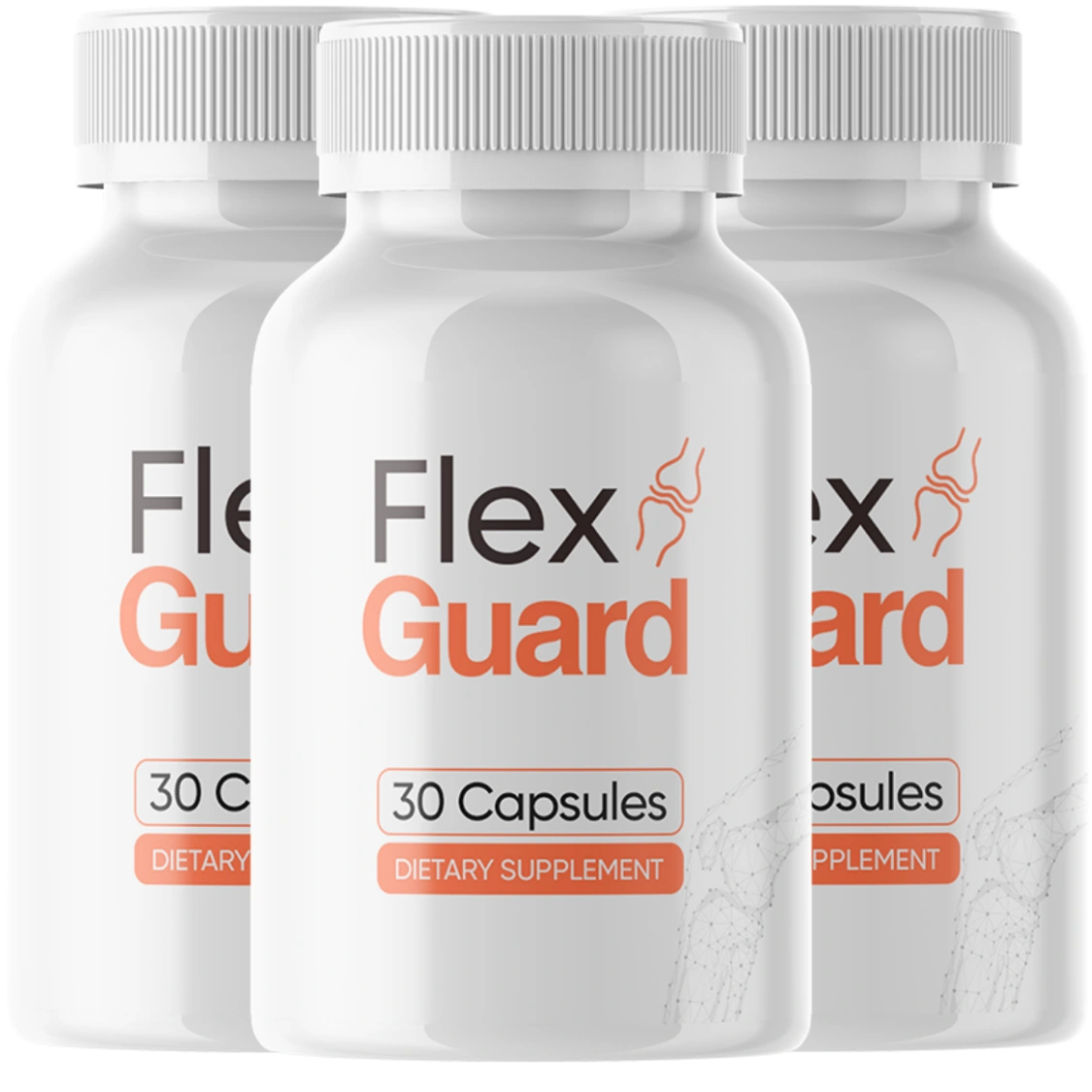
Start the clock on your own terms
Buy only if you are happy to give it two months. Note the purchase date, because the 60-day window is counted from it.
See today’s price and guaranteeThis site is a retailer and is paid when you order through it. The checkout shows the live price, and the guarantee page sets out the 60-day terms.