FlexGuard Official Website › Blog › Is FlexGuard Safe? 7 Checks Before The First Capsule
Is FlexGuard Safe? 7 Checks Before The First Capsule
Safety depends on you. FlexGuard contains shellfish (crayfish), is not for anyone under 18 or pregnant or nursing mothers, and has two medicine conversations worth having: blood thinners and liver conditions. Reported effects in this category are mild and digestive. It is not FDA approved, because no supplement is.
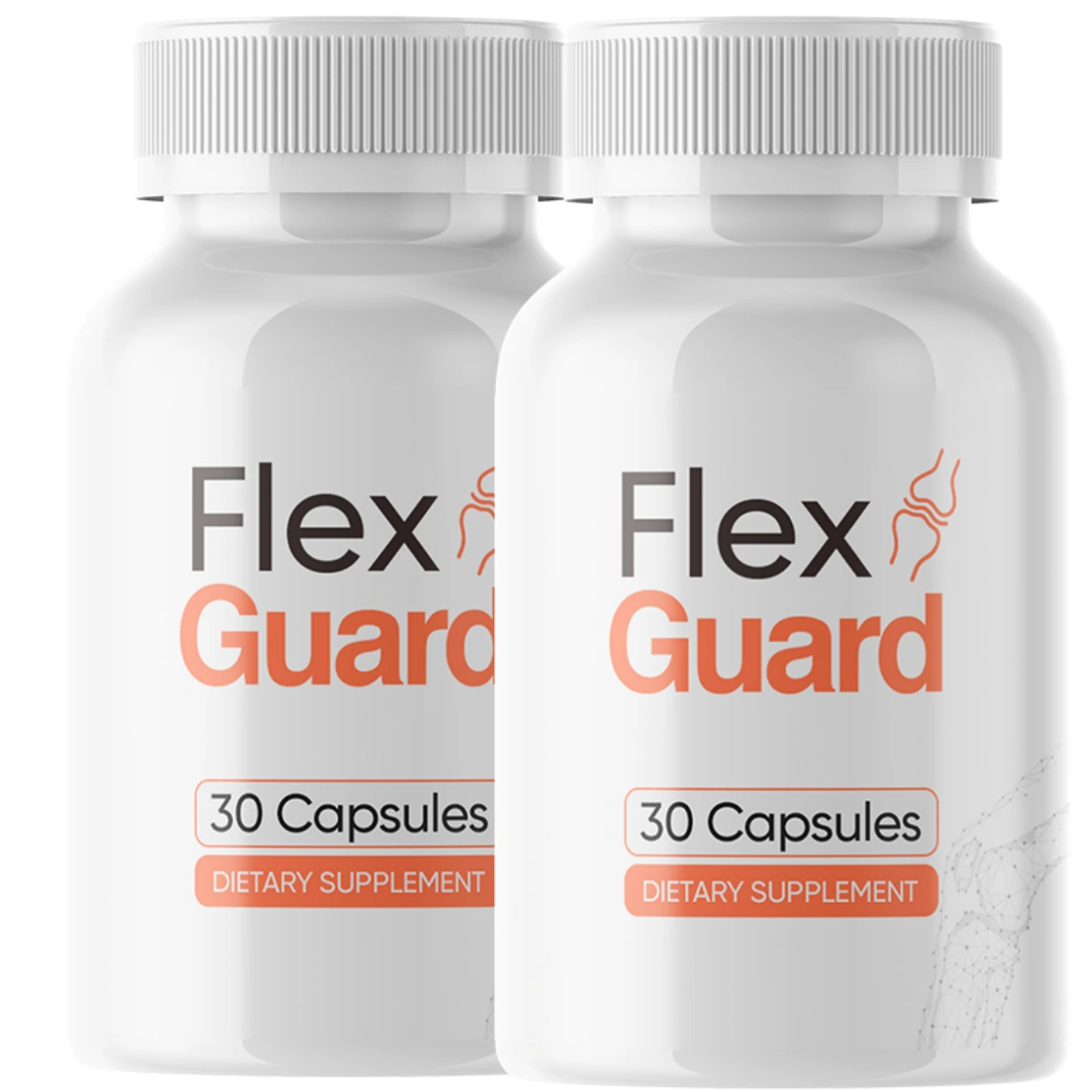
Checked the safety lines?
If none of them rules you out, the seller's checkout shows the live price and the written guarantee.
See today’s price and guaranteeThis site is a retailer, so it is paid on orders made through it. Prices on our pages were read on September 19, 2026, and the checkout is the current figure.
- The carton reads CONTAINS: SHELLFISH (CRAYFISH). Treat it as the deciding fact if you have a shellfish allergy.
- The carton excludes anyone under 18, and pregnant or nursing mothers. Consult a physician if you take a medication or have a medical condition.
- Glucosamine has a documented case record of raising INR alongside warfarin. Turmeric has its own antiplatelet signal.
- A liver-injury case series exists for turmeric, almost all at far higher amounts than the 50 mg here.
- Reported effects in this category are mild and digestive: nausea, wind or heartburn, usually easier with food.
- FlexGuard is a dietary supplement, not a drug, and it is not FDA approved.
Is FlexGuard a medication, and is it FDA approved?
FlexGuard is a dietary supplement. It is not a drug. The FDA approves no dietary supplement, so FlexGuard is not FDA approved, and no other supplement is either. The carton says it is not intended to diagnose, treat, cure or prevent any disease.
People also search “flex guard anti inflammatory” and “flex guard medicine”. Some of the ingredients are studied for their effect on inflammatory signalling. The product itself makes no anti-inflammatory claim and is not an analgesic. The only two claims on the carton are joint comfort and mobility, and help with everyday joint stress.
Below are seven checks to run before the first capsule. They go from the most serious to the most ordinary, because that is the order in which they decide anything.
None of this is personal medical advice. Your own doctor or pharmacist knows your medicines and your history. We do not.
People ask this as is flex guard safe, is flexguard safe, flex guard side effects, side effects of flex guard or flex guard reviews side effects. Others ask about the product class: flex guard medication, flexguard medication, flex guard medicine, flex guard anti inflammatory, flexguard anti inflammatory and is flexguard fda approved. For the category, joint supplement side effects follow the same pattern. The seven checks below take them in order of seriousness.
Check 1: Do you have a shellfish allergy?
This is the big one. The carton reads CONTAINS: SHELLFISH (CRAYFISH), because glucosamine is made from shellfish shell. That is a property of the ingredient and not a contamination warning.
A tolerance study gave 1,500 mg of shrimp-derived glucosamine to fifteen shrimp-allergic adults, with no allergic reaction. The reasoning was that the allergen is in the flesh and not the shell.
That is a useful finding. Fifteen people is still a small group. A carton that names an allergen has named it, and the careful reading is the right one.
If you are not sure whether a past shellfish reaction was an allergy or an intolerance, settle that with a doctor before buying anything that contains glucosamine, not only this.
Check 2: Are you an adult, and are you pregnant or nursing?
The carton says not for use by individuals under the age of 18, or by pregnant or nursing mothers. The site repeats this, and no row on the panel has an evidence base in children.
This is one of the few places where the answer is a plain no. If either applies, do not take it.
If you are not sure, ask your doctor. Also keep the bottle out of reach of children, as the seal line on the carton says.
Check 3: Do you take a blood thinner?
There are two reasons to speak up if you do.
- A case review in a pharmacy journal collected reports of raised INR in people on warfarin who added glucosamine. In several cases it settled when the glucosamine stopped. The amounts were usually 1,500 mg a day, and this capsule carries 500 mg.
- Turmeric has its own antiplatelet signal, according to the site.
The site calls this the single interaction worth naming out loud. Tell whoever manages your dosing about both ingredients and both amounts. Do not stop or change a prescribed medicine on your own.
Check 4: Do you have a liver condition?
Turmeric has a published case series from the Drug-Induced Liver Injury Network. It describes ten cases linked to turmeric products. Almost all were at far higher amounts than 50 mg, and several involved high-absorption formulas.
FlexGuard has turmeric root at 50 mg and names no absorption aid. The site places that at the quiet end of the literature.
Quiet end is not no end. If you have a liver condition, mention that the capsule has turmeric root at 50 mg, and let your doctor decide.
Check 5: Do you manage blood sugar or take other joint supplements?
Glucosamine is an amino sugar, and people ask about blood sugar a lot. The site says trial evidence at 1,500 mg has not shown a meaningful effect. It still suggests a sentence about it at your next review, rather than a reason to avoid the product.
The commonest accidental overlap is doubling up on glucosamine. If you already take another joint product, add the two labels together before you add a second bottle.
Also remember the dose rule on the carton: do not exceed the recommended dose. One capsule a day is the full dose.
Check 6: What are the side effects of FlexGuard?
The site lists effects across this category, not just this capsule. They are mild and digestive, and many people notice nothing.
| What people report | How often | What usually helps |
|---|---|---|
| Mild nausea in the first week | The commonest in this category | Take it in the middle of a meal |
| Wind or a loose stool | Occasional | Usually settles inside a fortnight |
| Heartburn | Occasional | Food, and not lying down within the hour |
| A taste on the breath | Rare | Unlikely from 8 mg of MSM |
| Nothing at all | The most common report | Nothing |
Four of the eight rows are at 8 mg, below any amount at which an effect has been described.
If a symptom is more than mild, stop and call a doctor. For an order or return question, call the order desk on +1 (877) 257-0710.
Check 7: Is this a supplement question at all?
Some joint signs are not for supplements. The site names them, and we agree.
- A joint that looks red, feels warm to the touch or has visibly puffed up.
- A knee or hip that catches, jams or buckles when you put weight on it.
- Aching that disturbs your sleep, or that is worse at rest than in use.
- A change that came on suddenly or after a knock or a fall.
- A fever, weight loss, or several joints changing at the same time.
These signs point to something that needs a diagnosis. Joint pain has many causes, and they are managed differently. Get it assessed first, and treat any supplement as an extra after that.
Nothing here treats, cures or prevents any disease, and FlexGuard is not FDA approved, as no dietary supplement is. These statements have not been evaluated by the Food and Drug Administration. Medical questions belong with your own doctor. Swelling, heat, a joint that locks or gives way, or pain that wakes you at night should be looked at by a clinician rather than managed with a capsule.
Frequently asked questions
Is FlexGuard safe?
That depends on you. It contains shellfish, is not for under-18s or pregnant or nursing mothers, and has medicine conversations worth having for blood thinners and liver conditions. Ask your own doctor.
Is FlexGuard FDA approved?
No. The FDA approves no dietary supplement. FlexGuard is not a drug and says it is not intended to diagnose, treat, cure or prevent any disease.
What are the side effects of FlexGuard?
Effects described for this category are mild and digestive: some nausea, wind or heartburn, usually easier with food. Many people notice nothing.
Can I take FlexGuard with a shellfish allergy?
The carton says it contains shellfish (crayfish). A small study found shrimp-allergic adults tolerated shrimp-derived glucosamine, but a carton that names an allergen has named it. Ask your doctor.
Can I take FlexGuard with blood thinners?
Speak to whoever manages your dosing first. Glucosamine has a documented case record of raising INR with warfarin, and turmeric has an antiplatelet signal.
Is FlexGuard a medicine for inflammation?
No. It is a dietary supplement and is not an analgesic. The only claims on the carton are support for joint comfort and mobility and for everyday joint stress.
Sources named on this site
- The shrimp-allergy tolerance study: https://pubmed.ncbi.nlm.nih.gov/17083356/
- The glucosamine and warfarin case review: https://pubmed.ncbi.nlm.nih.gov/18363538/
- The Drug-Induced Liver Injury Network's turmeric case series: https://pubmed.ncbi.nlm.nih.gov/36252717/
- NCCIH's turmeric page: https://www.nccih.nih.gov/health/turmeric
- The FDA's questions and answers on dietary supplements: https://www.fda.gov/food/information-consumers-using-dietary-supplements/questions-and-answers-dietary-supplements
- MedlinePlus on osteoarthritis: https://medlineplus.gov/osteoarthritis.html
- The NIH institute for musculoskeletal disease: https://www.niams.nih.gov/health-topics/osteoarthritis
- The American College of Rheumatology's osteoarthritis guideline: https://pubmed.ncbi.nlm.nih.gov/31908163/
- NCCIH's guidance on using supplements wisely: https://www.nccih.nih.gov/health/using-dietary-supplements-wisely
- The 2017 review of methylsulfonylmethane: https://pubmed.ncbi.nlm.nih.gov/28300758/
Our view
Most people who ask if FlexGuard is safe want one answer. We cannot give you one, because it turns on three things only you and your doctor know: your allergies, your medicines and the state of your joints.
What we can say is that the label is clear about its limits. The allergen is declared, the exclusions are stated, and the interaction record is named, not buried. Four rows sit at 8 mg, which is below the amounts where effects have been described.
If none of the seven checks applies to you, you can still ask your doctor for a quick opinion. If any of them applies, talk to a doctor or pharmacist before the first capsule. And if a joint is hot, swollen, locking or waking you at night, see a clinician first.
Last updated
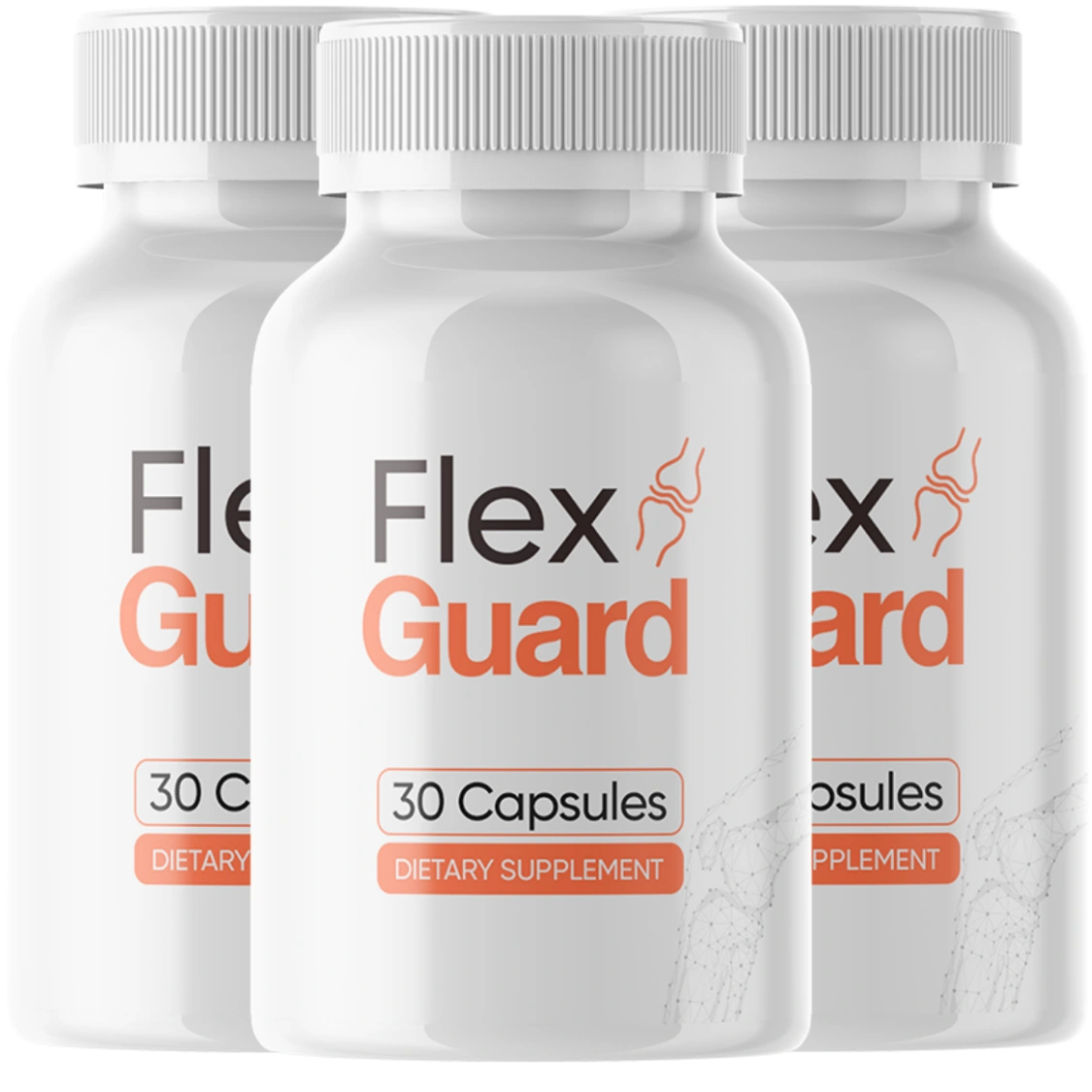
Safe for you is your doctor's call
If you decide to try it, start with the label and your doctor. The seller's checkout shows the price and the 60-day terms.
See today’s price and guaranteeThis site is a retailer and is paid when you order through it. The checkout shows the live price, and the guarantee page sets out the 60-day terms.